Top-Rated Home Renovation Contractor: Redesign Your Home With Professional Design and Quality Craftsmanship
Home remodeling can enhance significantly both visual appeal and functionality. A top-rated remodeling contractor plays an important role in this transformation. Their expertise combines innovative design with quality craftsmanship, ensuring that each undertaking meets the property owner's goals. However, not all contractors are created equal. Understanding the important characteristics and processes involved is essential for a favorable result. What should homeowners consider when starting on this journey?
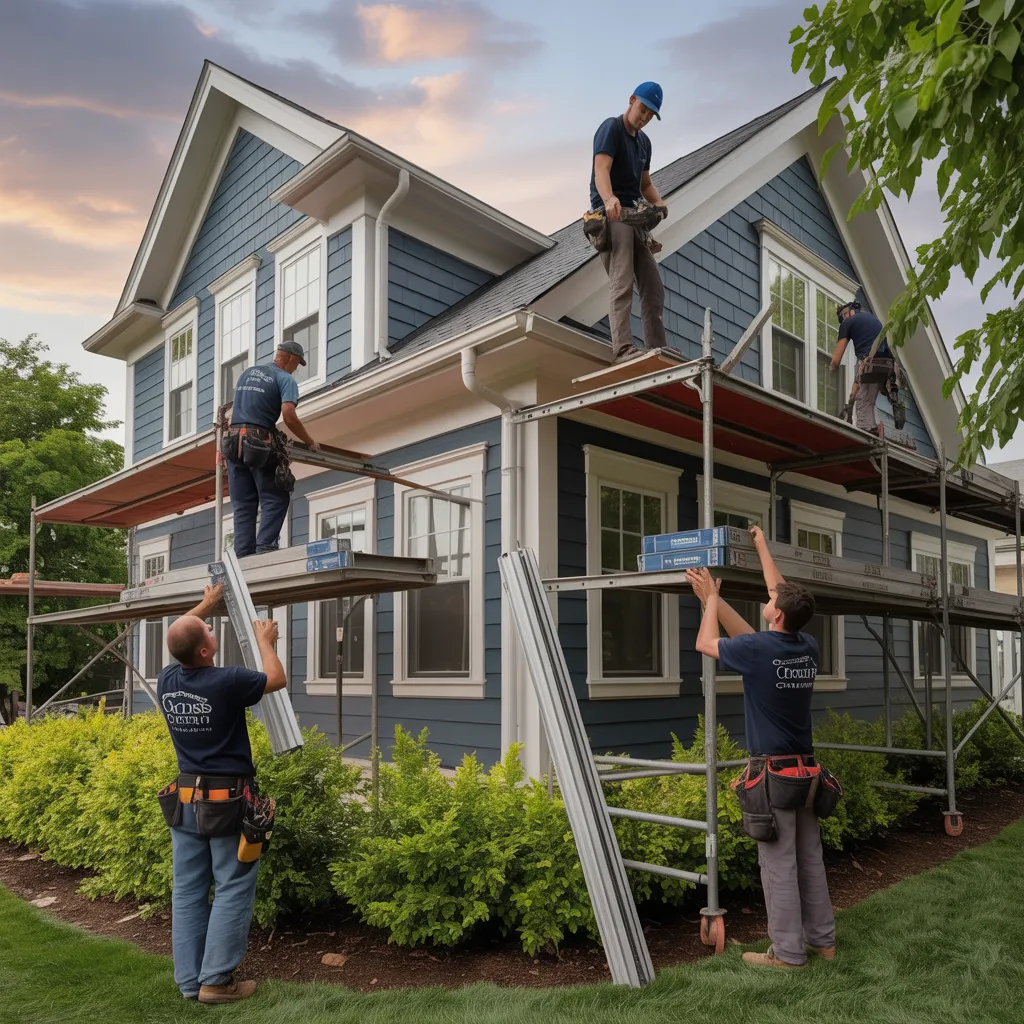
The Criticality of Retaining a Top-Rated Redesign Contractor
When commencing a renovation project, the decision explore the details to hire a top-rated contractor can significantly impact the result. A skilled professional possesses the expertise and experience necessary to navigate the intricacies of home renovations. They can provide valuable guidance into design decisions, products, and timelines, ensuring that the project complies with the homeowner's goals and budget.
Top-performing experts often feature strong testimonials and a substantial showcase of projects, exhibiting their past accomplishments and client satisfaction. This credibility can create assurance among property occupants, minimizing anxiety pertaining to major renovations. Likewise, a reputable contractor is prone to have established relationships with distributors and trade specialists, which can yield better pricing and premium material options.
Ultimately, engaging a top-rated renovation specialist not only boosts the potential for a successful project but also creates a teamwork atmosphere where ideas and creativity flourish, resulting in a transformed home that showcases the homeowner's dreams.
Critical Qualities to Assess in a Home Improvement Contractor
Selecting the ideal renovation specialist goes beyond just checking reviews and portfolios; it requires identifying particular characteristics that guarantee a successful partnership. Initially, a reputable contractor must possess excellent interpersonal abilities, guaranteeing that they can clearly articulate ideas and listen to client needs. Afterward, experience in the specific type of remodeling project essential is crucial, as it demonstrates a proven track record of excellent craftsmanship. Also, a skilled professional must be properly certified and covered, providing peace of mind concerning liability and safety. Reliability is another critical quality; a contractor should adhere to schedules and costs, minimizing unforeseen setbacks. Finally, a solid portfolio displaying diverse completed projects demonstrates an capacity to accommodate various styles and client desires. By concentrating on these qualities, homeowners can choose wisely when selecting a renovation specialist, eventually leading to a successful home transformation.
Popular Renovation Projects to Explore
Homeowners frequently encounter numerous choices when contemplating renovation undertakings, each providing distinctive advantages and improvements. Kitchen renovations rank among the top choices, which can greatly improve functionality and aesthetic appeal. Updating countertops, cabinets, and appliances not only modernizes the space but also adds value to the home.
Bathroom renovations are another preferred option, creating a retreat for relaxation and personal care. Homeowners often choose modern fittings, sophisticated tile work, and enhanced layouts to boost comfort.
Moreover, basement remodeling has become increasingly common as a method to expand living space, developing flexible spaces for entertainment purposes or home offices.
Outdoor renovations, such as deck setups or garden design, also remain in high demand, allowing homeowners to enhance their outdoor enjoyment. Each of these projects not only improves the living environment but can also provide a significant return on investment.
The Creative Process: Partnership With Your Builder
The design process in remodeling entails a crucial collaboration between the client and the contractor. During the preliminary meeting, ideas and visions are presented, laying the foundation for the work. After this, design cycles progress, enabling changes and conclusively moving toward consent before construction begins.
Initial Meeting Appointment
How does an initial consultation meeting set the stage for a successful remodel? This pivotal first step allows homeowners and contractors to institute a mutual understanding of the vision and aspirations for the project. During this appointment, clients communicate their financial plan, ideas, and needs, while contractors analyze the space and furnish suggestions on workability. Solid communication is vital, as it fosters collaboration and confidence between both parties. Contractors may also share collections of work of past endeavors, presenting inspiration and revealing their expertise. By dealing with any concerns and deliberating on timelines, the initial consultation creates the base for a productive relationship. In conclusion, this session is essential for aligning expectations and securing that the renovation undertaking gets underway on a solid foundation.
Design Iteration and Acceptance
As the design process develops, collaboration between homeowners and contractors becomes necessary for refining the project vision. This phase prioritizes open communication, allowing both parties to express ideas, preferences, and concerns. Contractors submit initial design concepts based on the homeowner's input, which triggers iterative revisions. Each design iteration serves as a foundation toward the final layout, including feedback and making necessary adjustments. Homeowners should feel encouraged to express their thoughts, ensuring the design meets their aspirations. Approval of the final design marks a pivotal milestone, solidifying the project blueprint. This collaborative approach fosters a sense of ownership and satisfaction, paving the way for successful implementation and ultimately transforming the home into a personalized living space.
Grasping the Expenses of Home Remodeling
Comprehending the monetary implications of home remodeling is important for any homeowner planning a project. Financial planning effectively requires not only taking into account the main expenses but also identifying hidden expenses that may occur during the remodeling process. Knowledge of these financial factors can help guarantee a smoother and more successful renovation experience.
Planning Your venture finances
Budgeting for a home remodeling project requires careful consideration of multiple costs involved. Homeowners should start by determining the extent of the project, which will significantly influence the total budget. Key expenses generally encompass materials, labor, permits, and design fees. It is important to research and gather quotes from several contractors to create a realistic estimate. Additionally, homeowners should consider whether they will complete any of the work themselves, which can lower labor costs. Establishing a contingency fund is also wise, as it enables for unexpected expenses that may arise during the remodeling process. By carefully evaluating these factors, homeowners can create an all-encompassing budget that aligns with their budget constraints and project goals.
Concealed Fees to Consider
While homeowners often concentrate on the major expenses of a remodeling project, they may overlook numerous concealed expenses that can significantly impact the total expenditure. These costs can include licenses and evaluations, which differ based on location and project type. Unexpected building problems, such as deterioration or obsolete electrical systems, may also arise during remodeling work, necessitating extra money. Homeowners should also consider the expenses for interim accommodations if the project demands extensive work. In addition, alterations to plans during the process can lead to increased expenses, as can the choice of premium finishes. Finally, post-remodeling costs, such as new furnishings or landscaping, can further burden the finances. Understanding of these hidden expenses is crucial for effective financial planning.
Tips for a Thriving Home Renovation Experience
A successful home renovation process copyrights on careful planning and effective communication. Homeowners should start by determining a realistic budget and timeline, factoring in potential delays and unexpected costs. Working with a reputable remodeling contractor is vital; they bring skill and can offer insights that conserve time and money.
Owners should also develop a detailed design plan, featuring materials and finishes, to ensure a unified look. Regular check-ins with the contractor help maintain alignment on progress and tackle any concerns in a timely manner. Communication should remain transparent and engaged, fostering a cooperative working environment.
Furthermore, it's advisable to get prepared for disruptions by establishing a temporary living space, especially for bigger projects. In the end, patience is key; renovations can be taxing, but a constructive mindset will lead to a smoother process and satisfaction with the final outcome. By adhering to these tips, homeowners can improve their renovation experience and achieve their desired results.
Regularly Submitted Questions
What Length of Time Does a Common Remodeling Project Typically Take to Finish?
A typical renovation undertaking can require anywhere from a few weeks to several months to finish. Factors impacting the timeframe comprise scope of work, complexity, and the efficiency of the construction professionals and subcontractors.
What Classes of Protections Do Home Renovation Contractors Offer?
Remodeling contractors typically offer warranties on labor, products, and appliances. These warranties can span from one year to a lifetime, based on the contractor and specific project details, providing reassurance to homeowners regarding performance and strength.
What Steps Should I Take to Validate a Contractor's Credentials and Protection?
To confirm a contractor's license and insurance, one can check state licensing boards and online databases. Additionally, requesting copies of insurance policies directly from the contractor confirms coverage is current and meets required standards.
What Might I Do if I'm Dissatisfied With the Work?
When frustration sets in, the homeowner ought to raise concerns directly with the contractor. Record issues, inspect the contract, and strive for peaceful settlement. If not resolved, pursue mediation or reaching local authorities for extra help.
Do Funding Solutions Exist for Home Remodeling Projects?
Many remodeling contractors provide diverse financing options, such as personal loans, home equity credit lines, and installment arrangements. Homeowners should explore these options to find a option that suits their financial constraints and renovation requirements effectively.